
“Embodied souls can acclimate to a life of discipline, even if taste for worldly pleasures persists. By knowing a higher taste, all other interests abate.”
Bhagavad Gita 2.59
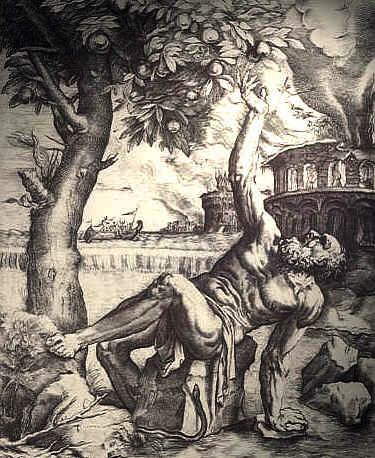 For his acts of greed, Zeus’s mortal son Tantalus was made to stand in a pool of water beneath a fruit tree. Whenever Tantalus reached out, the branches rose away. Whenever he bent to drink, the water receded—cursed to being forever “tantalized.” This verse from the Gita reminds us that however drawn we may be to the “fruits” of an illusory world, nothing compares to the “higher taste” (param-dhristva) of a yogic life of devotion to God.
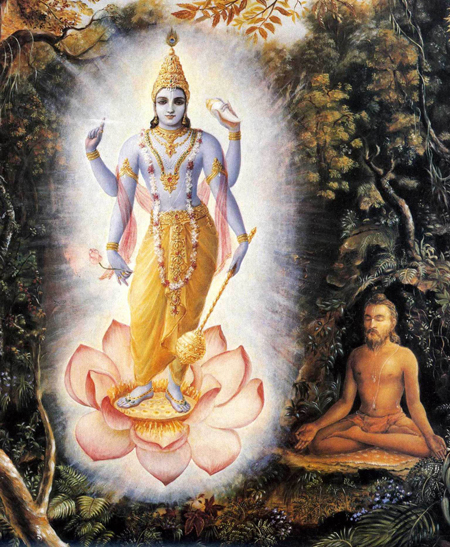
To develop that “higher taste,” the Vedic texts recommend chanting the maha-mantra: Hare Krishna, Hare Krishna, Krishna Krishna, Hare Hare, Hare Rama, Hare Rama, Rama, Rama, Hare Hare. And when you attend a yoga class, don’t just stretch your body: seek out the company of righteous men and women cultivating that “higher taste.”
With affection,
Yogesvara
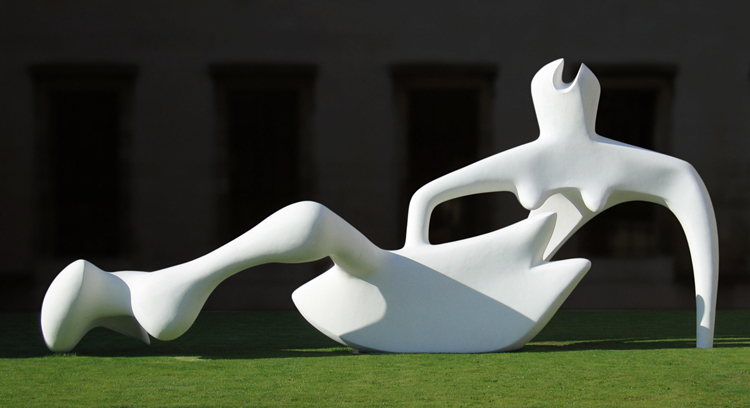 Sculptor Henry Moore (1898-1986) collected rocks and shells and studied their holes and hollow spaces, searching for what he called nature’s invisible “principles of form and rhythm.” His series of reclining figures (like the one above from 1951) is as much about the mystery of what cannot be see — the spaces between things — as about what the eye perceives.
 My spiritual master, Srila Prabhupada (1896-1977), used the phrase “Krishna conscious” to describe the soul’s original state of love for God and all God’s creatures. This original nature is instinctively self-sacrificing or “without attachment.” In an interview with commentator Bill Moyers, mythologist Joseph Campbell remembered an event from the 1980s that underscored this compassionate impulse.