 “The Thinker” by August Rodin depicts a man tormented by mental uncertainty. Completed in 1902, the six-foot-tall sculpture portrays Italian poet Dante Alighieri in front of the gates of hell, pondering his own poem “The Divine Comedy.” Dante’s poem proposes that we create our own heaven and hell, and as we observe the thinker’s intense deliberation we feel his torment. Will humanity cultivate an open mind about the greater mystery of life, or are we forever doomed to the hell of our prejudices and fears?
A strong mind can be a great asset, particularly when we seek to champion an unpopular position. The Bhagavad Gita cautions that it can also be our worst adversary. Too often, a stubborn mind stops us from listening to those who disagree with our ideas. Fear of being wrong reinforces our familiar patterns of thought and behavior, however self-destructive. This verse indirectly advocates keeping an open mind about unfamiliar or uncomfortable perspectives. An open mind is the gateway to freedom, since freedom lies not in being right and insisting on our rightness but in knowing we are protected by Krishna dwelling in our hearts—a resource that empowers us to set aside the need to “win” and become available to serve others.
The word “mantra” refers to a sound that liberates those who chant it from their minds. For a glimpse into the life of the open mind, try chanting each morning: Hare Krishna, Hare Krishna, Krishna Krishna, Hare Hare / Hare Rama, Hare Rama, Rama Rama, Hare Hare.
Fondly,
Yogesvara
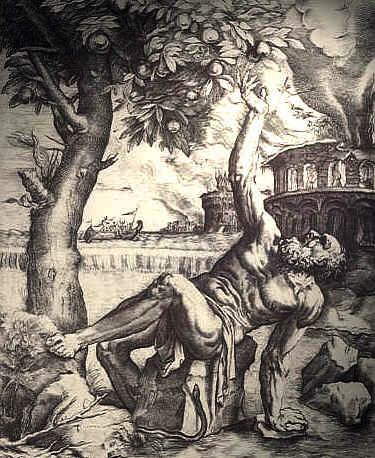 For his acts of greed, Zeus’s mortal son Tantalus was made to stand in a pool of water beneath a fruit tree. Whenever Tantalus reached out, the branches rose away. Whenever he bent to drink, the water receded—cursed to being forever “tantalized.” This verse from the Gita reminds us that however drawn we may be to the “fruits” of an illusory world, nothing compares to the “higher taste” (param-dhristva) of a yogic life of devotion to God.